Why Chasing the Big Name Collab Might Be the Worst Move You Make This Year
The Dream That Doesn't Always Deliver
There's a collaboration fantasy that lives rent-free in a lot of creators' heads. It goes something like this: land a project with someone massive, ride the wave of their audience, and watch your numbers permanently level up. Clean, simple, career-defining.
Sometimes that actually happens. But way more often? The big-name collab delivers a short-term spike, a slightly awkward creative dynamic, and an audience that doesn't really stick — because they came for the big name, not for you.
I've watched this play out enough times to think it's worth talking about honestly. Not to discourage collaboration — collaboration is one of the most powerful tools a creator has. But there's a specific kind of collaboration trap that's worth naming, because falling into it doesn't just waste your time. It can quietly shrink your creative ambition in ways that take a while to notice.
Status Anxiety Is a Terrible Creative Strategy
Let's be real about what's driving the big-name chase in the first place. Some of it is genuine admiration. Some of it is strategic. But a significant chunk of it is status anxiety — the feeling that where you are isn't legitimate enough, that a cosign from someone with more followers or more industry credibility will finally make your work feel real.
Behavioral psychology has a name for what happens when we pursue external validation as a proxy for internal confidence: it doesn't work. Or more precisely, it works temporarily and then leaves you needing the next hit. Creators who build their sense of creative legitimacy around who they've worked with rather than what they've made end up in a perpetual chase. The follower count that felt like "enough" last year isn't enough anymore. The collab that felt meaningful gets overshadowed by the next person on the list.
This isn't a character flaw. It's a very human response to an industry that constantly signals that bigger equals better. But it's worth interrogating, because the creative decisions that come out of status anxiety are almost never the best ones.
What Actually Gets Compromised
Here's where the collab trap gets practical. When you're working with someone significantly larger or more established than you, the power dynamic is almost never equal — and unequal power dynamics in creative partnerships produce predictable results.
You defer on creative decisions you shouldn't defer on. Your voice gets softened to fit their brand. The project ends up feeling more like their work with you as a featured element than a genuine collaboration. And because their audience is the primary target, the content gets shaped around what works for that audience — which may have very little to do with what makes your work distinctive.
None of this is malicious. It's just the natural gravity of the situation. When one person in a creative partnership has ten times the platform, ten times the stakes, and ten times the leverage, the collaboration bends toward them. That's not a collab. That's a guest appearance.
The Mid-Tier Advantage Nobody Talks About
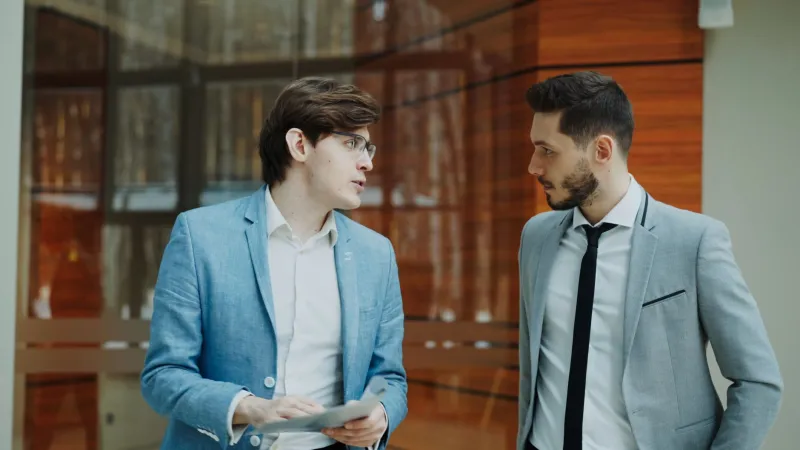
Some of the most creatively generative partnerships I've seen happen between creators who are at roughly similar stages — not identical audiences, not the same niche, but comparable scale and comparable skin in the game.
When neither person is the obvious "bigger" partner, something different happens. The creative conversation is more honest. Both people are genuinely invested in making the thing good, not just in leveraging each other's reach. Decisions get made collaboratively because neither person has the leverage to just override the other. And because both audiences are coming in without a clear hierarchy, they're more likely to actually discover and follow the other creator — rather than just watching a celebrity do a thing with someone they don't recognize.
This is the mid-tier advantage: roughly equal partnerships tend to produce better creative output and stickier audience crossover than status-chasing ones. The follower math might look less impressive on paper. The actual results often aren't.
How to Evaluate a Collab Beyond the Numbers
So how do you actually decide whether a collaboration is worth pursuing? A few questions worth running through before you commit:
Does this person's creative sensibility genuinely align with yours? Not their aesthetic — their values, their approach to the work, their willingness to take creative risks. Aesthetic overlap is surface-level. Sensibility alignment is where the real creative chemistry lives.
Would you be embarrassed to make something mediocre with this person? This sounds like a weird question, but it's a useful one. If the answer is yes — if the stakes feel high enough that you'd both push hard to make it genuinely good — that's a promising sign. If the main appeal is the association rather than the work itself, that's a warning flag.
What does success look like beyond the launch spike? A collab that generates a great piece of work you're both proud of, introduces you to a few thousand genuinely interested new audience members, and deepens a creative relationship you'll draw on for years? That's a win, even if the numbers don't break any records. A collab that spikes your analytics for a week and produces work you're vaguely embarrassed by? That's a loss, even if the follower count looks good.
Are you bringing something real to the table? The best collabs are ones where both people are genuinely enhanced by the other's presence. If you're mostly there to be a beneficiary of someone else's reach, you're not really collaborating — you're auditioning. And audiences can usually feel that.
Build With People Who Make You Better
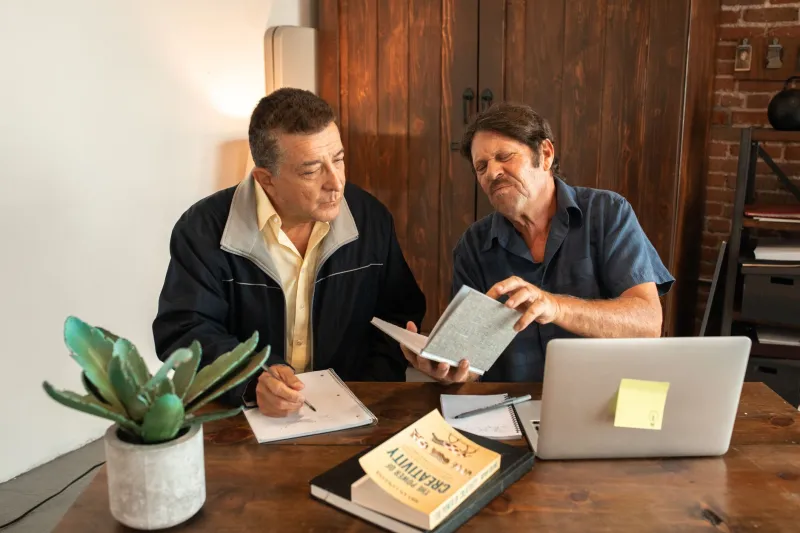
The collaborations that have defined the most interesting creative careers — in music, in film, in the creator economy — tend to share one thing: both people came out of the project sharper than they went in. The work pushed them somewhere they wouldn't have gone alone.
That doesn't require a massive name. It requires the right one.
Stop optimizing your collab strategy around follower counts and start optimizing it around creative growth. The partnerships that make you better at your craft, that challenge your assumptions, that produce work you're genuinely proud of — those are the ones that build a career. The status-chasing ones mostly just make for a good announcement post.
You can do better than that.