Quiet Is the New Loud: Why the Smartest Creators Are Doing Less and Getting More
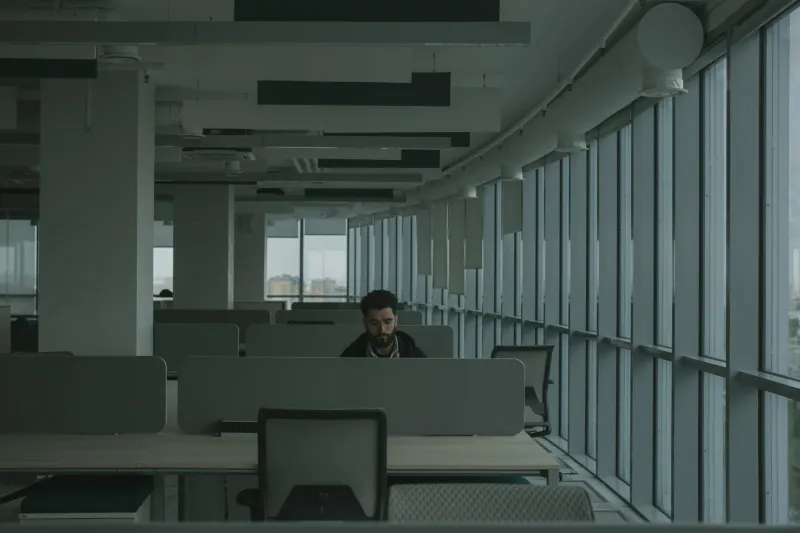
Everybody's yelling. Scroll through any platform right now and you'll feel it — this relentless, almost desperate energy of creators competing for the same shrinking slice of attention. More posts, more reels, more threads, more everything. The volume keeps going up, but something weird is happening: the returns are going down.
We're living through what some industry watchers are starting to call an attention recession. And just like any economic downturn, the people who survive it — and actually thrive — aren't the ones who panic and spend harder. They're the ones who get strategic.
The Hustle Myth Is Finally Cracking
For a long time, the creator playbook was basically one page long: post constantly, stay visible, never let the algorithm forget you exist. That advice made sense in the early days of YouTube and Instagram when the platforms were still hungry for content and audiences were genuinely discovering new voices. The barrier to entry was low, and consistency was a real competitive advantage.
But that era is over. The platforms are saturated. The algorithms have shifted. And maybe most importantly, the audience has changed. People aren't just passively overwhelmed anymore — they're actively curating. They're unfollowing, muting, and quietly walking away from creators who feel like noise rather than signal.
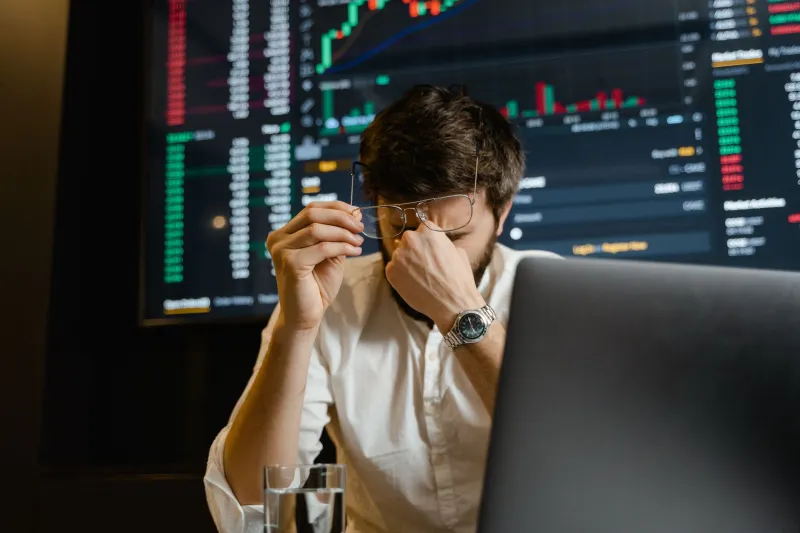
Here's the uncomfortable truth: if you're posting every single day just to stay relevant, you might actually be training your audience to stop paying attention to you.
What Selective Presence Actually Looks Like
The creators who are quietly rewriting the rules right now share a few common traits. They're not gone — but they're deliberate. They show up with intention rather than obligation, and their audiences can feel the difference.
Think about the podcasters who release one deeply researched episode every two weeks instead of churning out daily content. Or the writers who send a newsletter twice a month but make every edition feel like it was written specifically for you. Or the filmmakers who disappear for months at a time, then resurface with something that genuinely stops you mid-scroll.
This isn't laziness dressed up as strategy. It's a fundamentally different relationship with your audience — one built on quality of attention rather than quantity of impressions. When you're everywhere all the time, your presence becomes wallpaper. When you're selective, your presence becomes an event.
The Business Case for Pulling Back
Here's where it gets interesting from a professional standpoint. Creators who've adopted this approach aren't just reporting happier, less burned-out lives (though that's real too). They're reporting stronger business outcomes.
Engagement rates go up when content frequency goes down — at least when the remaining content is genuinely good. Open rates on newsletters climb when readers know each edition earned its place in the inbox. Watch time increases when every video feels considered rather than obligatory.
And on the professional side, scarcity still works. Brands and collaborators are often more interested in a creator who has a tight, deeply engaged community than one with massive reach and indifferent followers. A hundred thousand people who actually care about what you make is worth more than three million people who've just never gotten around to unfollowing you.
The entertainment industry has understood this forever. The artists who maintain mystique, who make you wait, who don't give everything away in real time — they tend to have longer careers and more culturally durable work. The creator economy is finally catching up to that reality.
How to Know If You're Screaming Into the Void
Some honest questions worth sitting with: When you post, are you doing it because you genuinely have something to say, or because the gap since your last post is starting to make you anxious? Are your engagement numbers going up or just sideways, no matter how much you increase output? Do you feel like your best ideas are getting lost in the flood of your okay ideas?
If any of those land, you might be caught in the volume trap. And the way out isn't to post better content while maintaining the same pace — it's to actually slow down and let the quality of your thinking catch up to your output schedule.
This is harder than it sounds. The psychological pull of the content treadmill is real. Algorithms genuinely do punish inconsistency in the short term. And the creator community has spent years reinforcing the idea that stopping, even briefly, means falling behind. Unlearning that takes work.
Building a Career vs. Feeding a Machine
There's a bigger picture question underneath all of this: what are you actually building? Because there's a meaningful difference between building a creative career and building a content machine. They can look similar from the outside, especially early on. But they diverge pretty sharply over time.
A content machine needs constant fuel. It optimizes for output, for consistency, for the metrics that platforms reward in the short run. And it can work — for a while. But it tends to hollow out the thing that made the creator interesting in the first place.
A creative career, on the other hand, is built on a body of work. On a perspective that deepens over time. On an audience relationship that has real texture and history. That kind of career can sustain a decade of professional momentum. The content machine version often burns out in three to five years, sometimes spectacularly.
The creators navigating this moment well are the ones who've decided they're building something — not just feeding something.
The Permission You Didn't Know You Needed
If you're a creator reading this while staring down a content calendar that's making you vaguely miserable, here's what I want to say: the permission to slow down is not something you have to earn. It's available to you right now.
Not every platform. Not every format. Not every week. Pick the places where your work actually connects, show up there with your full attention, and let the rest go. Your audience — the real one, the one that actually matters for a sustainable career — will respect the silence. They'll be more ready for you when you arrive.
The attention recession is real. But it's also a filter. And what's getting filtered out isn't the creators who post less. It's the ones who've forgotten why they started making things in the first place.
Be the signal, not the noise. That's the whole move.